

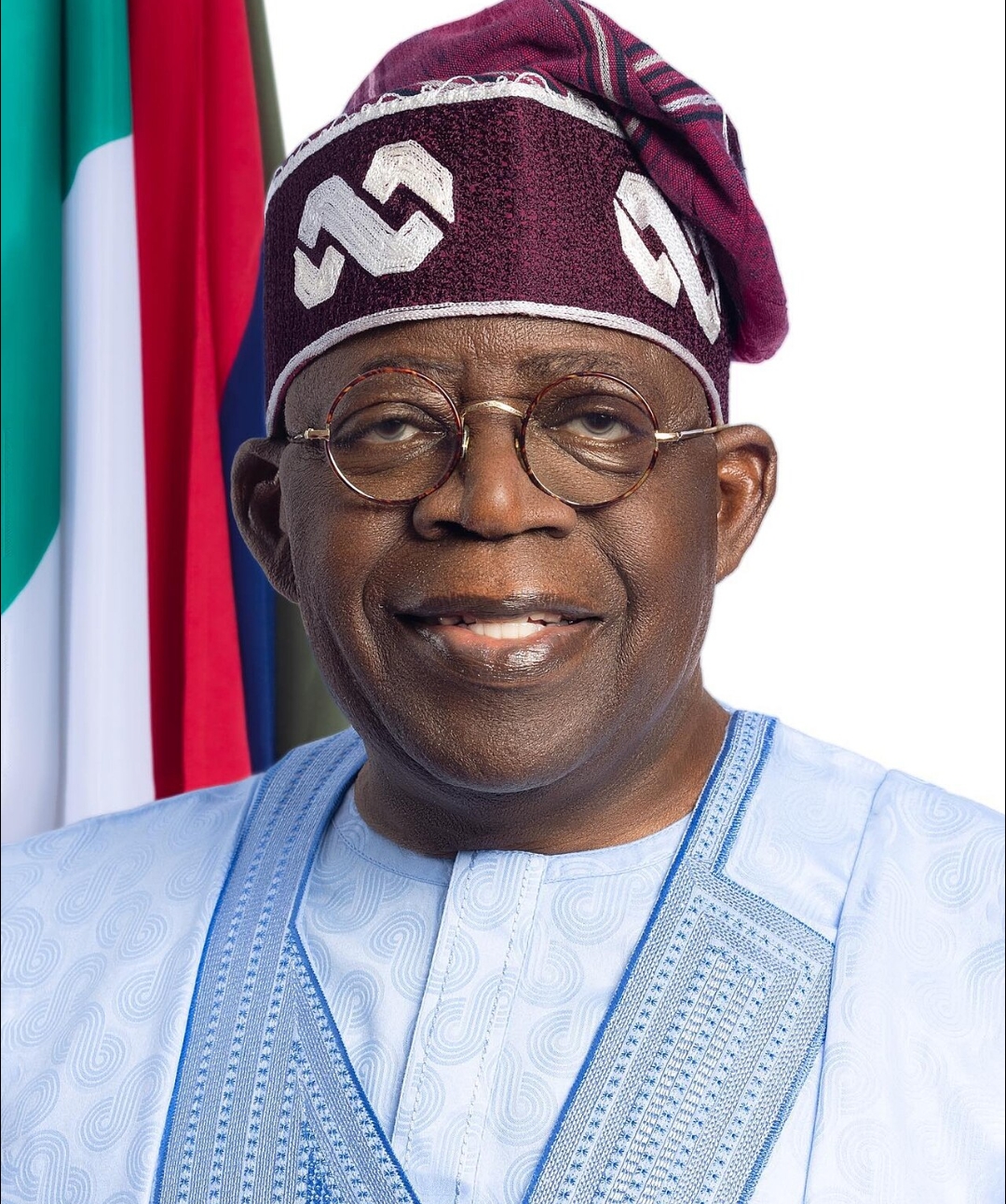
Here’s a breakdown of key reforms under President Tinubu that do position him as a major driver of economic reform in Africa:
- Macroeconomic Stabilization & Growth
Nigeria’s economy has shown signs of stabilization, with reported GDP growth (highest in several years) and inflation trending down. � - Fiscal Discipline & Revenue Expansion
Record increases in non-oil revenue (e.g., hitting revenue targets well ahead of schedule). �
Significant debt service-to-revenue improvement and reduction of deficit reliance on monetary financing. �
- Tax & Fiscal Reforms
Major tax system overhaul with a unified, digitised tax regime aimed at broadening the tax base. � - Removal of Subsidies & FX Unification
Ending fuel subsidies and unifying foreign exchange rates freed up funds for infrastructure and social programs. � - Strengthened External Position
Nigeria’s foreign exchange reserves & trade surplus improved substantially compared with recent years. � - Infrastructure & Sector Reforms
New infrastructure initiatives (ports, rail, roads) and the Electricity Act opening power to private and state investment. � - Social Investment & Safety Nets
Programmes to support households, MSMEs, and education (like cash transfers, student loans). � - Investor Confidence & International Support
Wider investor confidence reflected in multibillion-dollar deals and reported support from institutions like the AfDB. �
Under President TINUBU, Nigeria appears to be regaining it’s lost glory and space as the true giant of Africa.
@PicoAfrica